Better Sleep Without Alcohol: A Practical Guide
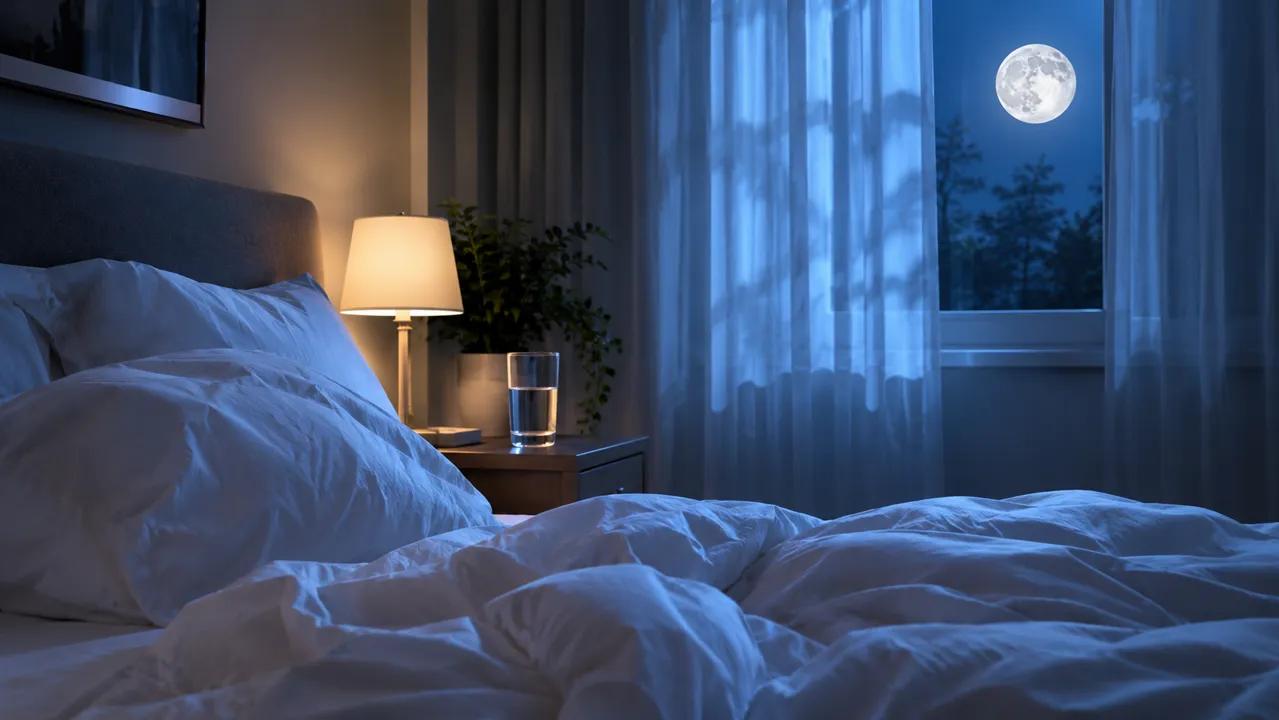
You can learn to sleep well without alcohol, but the first stretch asks for a plan instead of patience alone. A drink in the evening often becomes the cue your body links with winding down. Remove it and for a while the cue is missing, even if the underlying tiredness is real. That is why so many people say, "I cannot fall asleep without a drink" in the first week. It is usually not that sleep is gone. It is that the routine that told your brain "now is the time" has changed.
This guide covers what people commonly experience, how to build a replacement wind-down and what to do at 2 a.m. when you are awake and bored.
Why alcohol and sleep get tangled
Alcohol can make you feel drowsy quickly, so it earns a reputation as a sleep aid. Many people find, though, that the sleep that follows is lighter and more broken, with earlier waking and a feeling of not having rested. Because the drink helped you "fall asleep," you may attribute the good part to alcohol and the bad part to something else.
You also build a conditioned link: dim lights, couch, glass, bed. After years of this, your brain associates the glass with the signal that the day is ending. Removing it can feel like removing the starter button, which is why a new signal is useful.
What the first weeks can look like
Everybody differs, so treat this as a rough sketch and not a promise.
- The first nights: Falling asleep can feel harder. Your mind may be busier than expected because the usual sedation is gone.
- The first couple of weeks: Sleep can be patchy. Some people wake in the night more often while their routine adjusts.
- Weeks three and four: Many people report that sleep becomes steadier and that mornings feel clearer, though results vary.
If you notice sleep getting worse over time, or if you feel anxious, shaky or unwell, consult a doctor.
Build the wind-down before you need it
A good wind-down tells your body "we are finishing now." Make it a sequence of steps you repeat every night, in the same order and around the same time.
- Two hours before bed: Finish your last big task. Lower the lights in the main room.
- One hour before: Screens down or dimmed. A warm shower or bath. Prepare tomorrow's clothes so your brain can let go of planning.
- Thirty minutes before: A warm, non-caffeinated drink (chamomile, a warm milk, rooibos). Stretching or slow breathing.
- In bed: A guided relaxation or breathing exercise. Lights out.
The details are flexible. Consistency is what makes the sequence work as a cue.
Replace the nightcap with a practice
The nightcap does two jobs: it marks the end of the day and it tries to quiet the mind. A guided session can do both. With headphones, a calm voice leads you through progressive relaxation and imagery, which gives your attention somewhere gentle to go.
Lucidra includes this kind of practice. You start with a quiz about your drink and your evenings, and you follow a personalized web app program with daily sessions of around 10 minutes, in 4, 8 or 12 week plans. Many people use the session at the hour they used to pour, and again in bed. The program also has short lessons on triggers and habits, plus progress tracking, so you can see the evening change over time. It is not a sleep treatment and it does not claim to cure insomnia, but a consistent relaxation practice is a sensible thing to put in the old nightcap slot.
If you wake at 3 a.m.
Waking at night is common and usually not dangerous. A few steps help.
- Do not check the clock. Time pressure makes it worse.
- Slow your exhale. Breathe in for four, out for six, for several minutes.
- Use a body scan. Move your attention from toes to head, relaxing each part.
- If you are awake for what feels like a long time, get up. Sit in dim light with a book, then go back when sleepy.
- Skip the screen. Bright light and news will wake your brain.
Daytime habits that support sleep
- Morning light. A walk outside in the first hour of the day helps your body clock.
- Move your body. Regular exercise tends to deepen sleep, though not right before bed.
- Keep caffeine early. Cut it in the early afternoon if you are sensitive.
- Eat dinner earlier. A very late, heavy meal can interfere.
- Keep a steady wake time. It matters more than the bedtime.
A sample week of evenings
It helps to see what a sleep-first week might look like, so you have something to copy.
Monday. Session at 6:30 p.m., the hour you would usually pour. Dinner. Dim lights at 8:30. Tea and stretching at 9:30. In bed by 10:30 with a short breathing exercise.
Tuesday. Same order. If the pull appears around 9, make the tea earlier and take it to the couch with a book.
Wednesday. Add a ten-minute walk after dinner. Light movement in the evening takes the edge off restlessness without revving you up.
Thursday. Notice how falling asleep felt. Write one line in a notebook: "fell asleep in about X minutes, woke Y times."
Friday. Social night. Have your wind-down plan ready for when you get home, even if you stayed up later than usual. The routine works as a cue even when it is shorter.
Weekend. Keep your wake time within an hour of weekdays. A sleep-in feels tempting but it can push the whole system off.
After two weeks, read the notes back. Patterns tend to jump out: certain evenings are easier, certain triggers show up before bad nights, certain wind-down steps clearly help.
Mistakes that make early sleep harder
- Replacing alcohol with a huge dose of screen time. Bright light and fast content keep your brain alert.
- Trying to fix everything on day one. Change the drink first, then tune the rest.
- Reading each bad night as proof it will not work. One night is noise. A trend over weeks is the signal.
- Going to bed too early. If you are not sleepy at 9, wait. Lying in bed worried about sleep makes it harder.
A note on safety
This guide is not medical advice. If you drink heavily and daily, or you feel shaky, sweaty, anxious or unwell when you skip, talk to a doctor before stopping, because sudden changes can be risky. If sleep problems persist for weeks, a doctor can check for other causes.
What improvement tends to look like
Better sleep rarely announces itself. You notice that the alarm is not a shock, that you are not reaching for a second coffee by 10 a.m., or that you remember what you read the night before. Track one simple measure, such as how you feel at 8 a.m. on a 1 to 5 scale, and watch the trend over a few weeks.
For the full evening plan, see how to stop drinking at night. If you need ideas for what to sip in place of the glass, read alcohol-free drinks for the evening. And for the urge that shows up around bedtime, what to do when you crave a drink offers a quick script.