The 30-Day No Alcohol Challenge: A Week-by-Week Plan
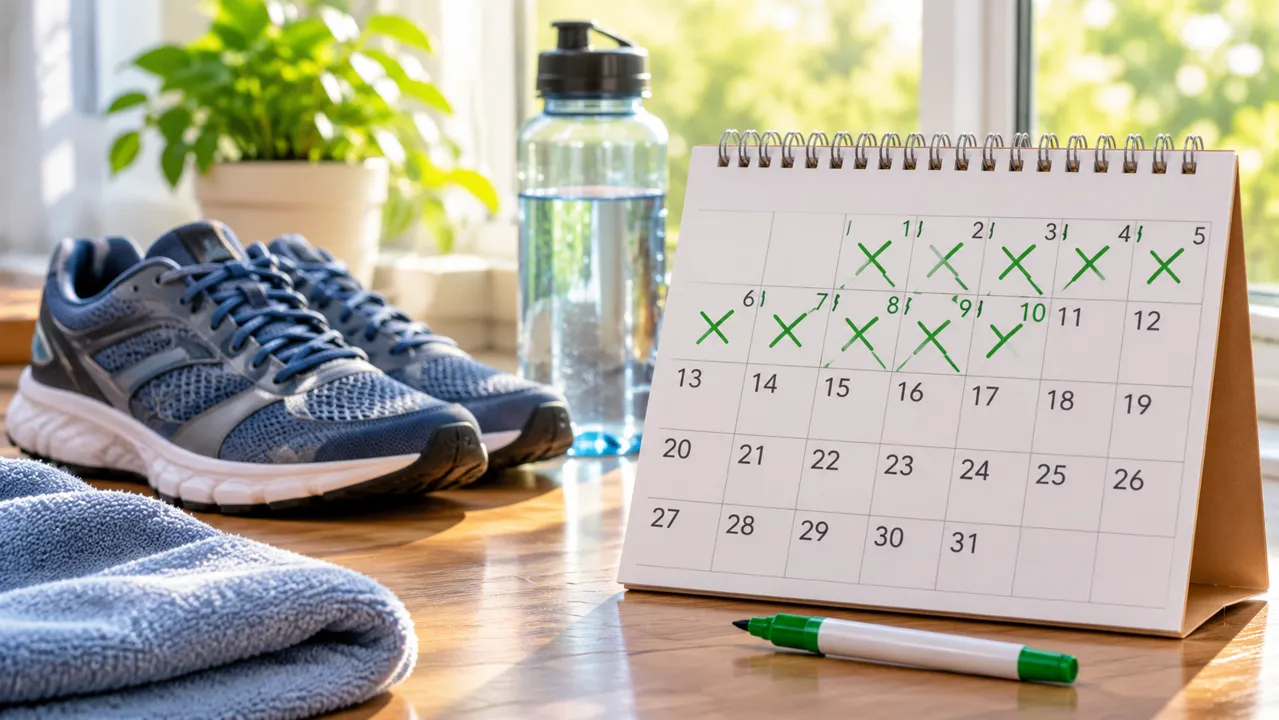
A 30-day no alcohol challenge works best when it is a plan, not a test of endurance. Thirty days is long enough to change a routine and short enough to feel doable. Done well, it gives you something rare: a month of real evidence about how you sleep, feel and function without alcohol, and a much clearer sense of what you want afterward.
Done badly, it is a month of white-knuckling toward a finish line, followed by a rush back to the old pattern. This guide is about the first version.
Before you start
Check your starting point
If you drink lightly or moderately, a month off is usually straightforward. If you drink heavily every day, or you feel shaky, sweaty, anxious or unwell when you skip a drink, see a doctor before you begin. Stopping suddenly after heavy use can be dangerous. This guide is not medical advice.
Write your why
On a card, finish this sentence: "For the next 30 days I want to find out ____." Examples: whether my sleep changes, how my mornings feel, whether I can enjoy evenings without a glass.
Set the rules
Decide in advance:
- Is it zero, or are there exceptions? Clear rules are easier than fuzzy ones.
- What happens if I slip? Restart, or continue and count the total?
- Who knows? Tell one supportive person.
Prepare the environment
Remove or hide alcohol at home. Stock your replacement drinks. Put the card where you usually pour. Clear your calendar of unnecessary drinking events for the first week.
Week 1: Set up and notice
The first week is about building the new routine and watching what comes up.
- Daily: One ten-minute practice at the hour you would usually drink.
- Evenings: Your transition ritual and your replacement drink.
- Log: One line a day: the strength of the urge, the trigger and how you slept.
Expect restless evenings and maybe lighter sleep. These are normal for many people and often ease. If they get worse, or you feel unwell, talk to a doctor.
Week 2: Ride the cravings
Novelty is wearing off and cravings may feel sharper. This is the week to use your cravings script.
- Name the urge, delay ten minutes, breathe, change state and reward yourself.
- Keep tracking triggers. By now you should see two or three patterns.
- Plan your first social event for the end of this week.
Week 3: Social life and the hard moments
By now, many people notice small shifts: slightly easier mornings, a steadier mood, more evenings used for something else.
- Go to the event with a drink plan and a leave time.
- Build rewards: a new class, a hobby, a weekend trip.
- Keep the daily practice, even when you feel good. This is when people tend to drop it.
Week 4: Lock it in and look ahead
The finish line is in sight, which can bring either confidence or complacency.
- Review your log. What changed? What stayed the same?
- Decide what you want from day 31.
- Notice your triggers once more. Which ones have faded? Which remain?
A daily rhythm you can copy
Complexity kills challenges, so keep the daily structure small.
Morning (two minutes). Rate how you feel from 1 to 5 and write it down. Drink a glass of water before coffee.
Midday (optional). If a trigger shows up, use the script and write one line.
Evening, at your usual hour (ten minutes). Do your session with headphones, then make the replacement drink and start dinner.
Before bed (five minutes). Wind-down: lights low, screens down, slow breathing.
That is about twenty minutes a day in total, and most of it replaces time you would have spent on the old routine. After a week you will not need the reminders, because the sequence becomes the new default.
Common questions about the month
Should I tell people? Telling one or two supportive people helps with accountability. You do not need to announce it widely, and you can keep it simple: "I'm taking a month off to see how I feel."
What about the weekend? Weekends are where most challenges wobble. Fill the first part of Friday and Saturday with plans: a hike, a class, a dinner at a place with good non-alcoholic options.
What if I feel worse before better? Some people feel restless or irritable in the first days. If these feelings are strong, or you feel physically unwell, speak with a doctor. Otherwise, lean on your wind-down routine and give it a couple of weeks.
Does the challenge have to be perfect? No. Consistency matters, but perfection is not required. If you slip, note it and keep your streak of effort going rather than abandoning the month.
Making the daily practice stick
A challenge fails at the moment of the cue, so the most useful thing is rehearsal. Guided self-hypnosis rehearses the cue, the urge and the new response in a relaxed state, so the choice gets easier by the time you meet it in real life.
Lucidra is built around this idea. A short quiz places your starting point and triggers, and you follow a personalized program in a web app: daily sessions of around 10 minutes, in 4, 8 or 12 week plans, based on cognitive behavioral hypnotherapy techniques. The four-week program fits the 30-day challenge neatly, and the 8 and 12 week options are there if you want to go further. Progress tracking and short lessons help you see the trend.
What people often notice
Everyone is different and results vary, but common reports include:
- falling asleep more consistently and waking with less fog;
- steadier energy through the afternoon;
- more time and attention in the evenings;
- some savings at the end of the month;
- a clearer sense of which drinks they missed and which they did not.
Others notice less obvious changes, such as being more aware of how often they associated alcohol with relaxation. Treat all of it as information.
Handling slips
If you drink during the challenge, take a breath. Ask: what was the trigger, what could I do differently and do I want to restart today or keep going? Many people find that a slip near the middle of the challenge teaches them more than a perfect run would. The only truly unhelpful response is to give up on the whole month.
Day 31: Decide on purpose
The most important choice is what comes next. There are three common paths.
- Extend. If the month felt good, go another thirty days.
- Moderate. Return with clear rules. See a moderate drinking plan.
- Return mindfully. Choose when and what you drink, with the awareness you built.
The worst option is to drift back by default, because that is exactly what the old habit wants.
Your first step
Pick a start date, write the card and set up tomorrow evening. If you want structure behind you, Lucidra begins with a quiz and a daily ten-minute routine. For a gentler lead-in, read the sober curious guide, and stock up with alcohol-free drinks for the evening. When the urge hits, what to do when you crave a drink is your script.