Cognitive Behavioral Hypnotherapy for Drinking Habits
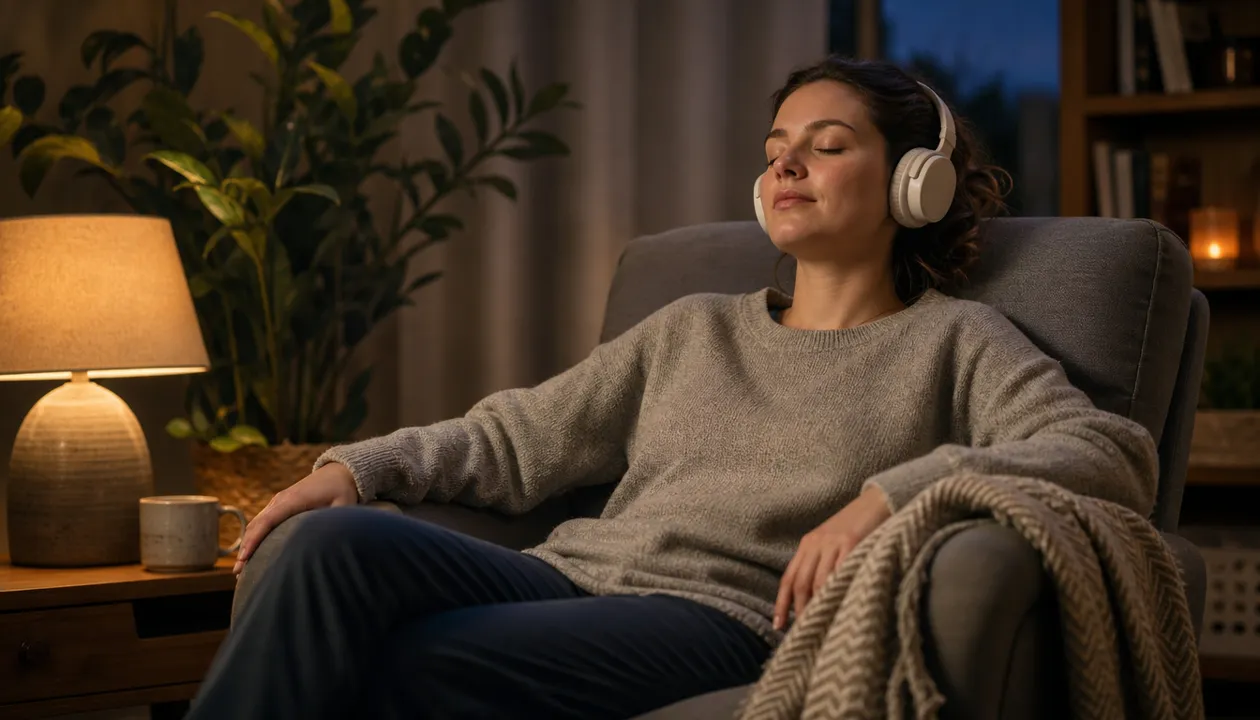
Cognitive behavioral hypnotherapy for drinking habits pairs two ideas: change the way you respond to triggers, and rehearse that change while deeply relaxed. It is not a trick, a spell or a way for someone else to take control of your mind. It is a structured practice, done in short sessions, that makes a new response feel familiar before you need it.
If you have tried to cut back on willpower alone and found it works until it does not, this approach is aimed at the part that keeps slipping: the automatic moment.
The two halves of the method
The cognitive behavioral half
Cognitive behavioral approaches start from a simple observation: situations trigger thoughts, thoughts trigger feelings and feelings drive behavior. You can intervene at any link. In the context of drinking, that might mean:
- noticing the thought "I deserve a drink" and questioning it;
- identifying the trigger that set off the thought;
- rehearsing alternative behaviors;
- testing the prediction that a drink will make you feel better.
It is practical and skills-based. It treats triggers as information, not as proof of weakness.
The hypnotherapy half
Hypnosis, in this context, is a state of focused, relaxed attention, a bit like being absorbed in a book or a film. In that state many people find it easier to imagine vividly and to accept new suggestions. It is not sleep and you do not lose awareness. You can stop any time.
When the two halves combine, you use the relaxed state to run mental rehearsals of the cognitive behavioral skills: the cue, the old reach and the new response, again and again, in calm conditions.
What a session feels like
A typical guided session of around ten minutes might go like this.
- Settling. You sit or lie down with headphones and let your breathing slow.
- Progressive relaxation. A voice guides you to soften your muscles, one area at a time.
- Imagery. You picture a calm place, then your usual cue, such as walking into the kitchen at 6 p.m.
- Rehearsal. You imagine the pull, notice it, and watch yourself choosing something else, with suggestions that this feels natural and rewarding.
- Return. You count back up to alertness, feeling rested.
Most people describe it as pleasantly relaxing. Some fall asleep in the first sessions, which is fine.
What it can do, and what it cannot
Be realistic about what to expect.
It can:
- give you a regular practice that calms the body at the exact hour you usually pour;
- help you rehearse new responses so they feel more available under pressure;
- make the idea of drinking less feel more familiar and less like a fight;
- support a plan you have built, with limits, rewards and triggers.
It cannot:
- treat alcohol dependence or substitute for medical care;
- do the work for you without consistent practice;
- guarantee a result, since people respond differently;
- replace support from a doctor, counselor or group if you need it.
If you drink heavily every day or feel unwell when you skip, see a doctor before you cut down or stop. This article is general information, not medical advice.
Why it suits an evening habit
An evening drinking habit is mostly automatic. It is triggered by the time, the place and a feeling, and it carries a reward of relaxation. That makes it a good match for a method that uses relaxation as its tool and rehearsal as its engine.
You are not removing relaxation from the evening. You are practicing a different route to it, so the drink gradually stops being the only route.
Why short and daily beats long and rare
Habits form through repetition, so ten minutes a day tends to do more than a single long session once a week. Short sessions are also easier to keep on bad days, which are the days that matter. A tired person will do ten minutes. They are less likely to do an hour.
How Lucidra puts it into practice
Lucidra is a web app built on this method. It starts with a quiz about what you drink, how often, what you have tried before and what sets it off. From that you get a personalized program: daily sessions of around 10 minutes, in 4, 8 or 12 week plans, with progress tracking and bite-sized lessons on how habits and triggers work. It supports both goals, cutting back and quitting, and it runs in the browser, with nothing to install.
Used consistently, the idea is that the new response becomes the easier one by the time you reach the hard hour.
How to get the most from sessions
- Same time daily. Ideally just before the usual pour.
- Quiet space and headphones. Reduce interruptions.
- Do not judge the session. Drifting thoughts and dozing off are normal.
- Pair it with a reward. Tea, a book or music right after.
- Log one line. Strength of the urge, what you did and how you felt the next morning.
- Give it weeks. Judge by trends, such as fewer automatic pours and calmer evenings.
Common doubts
"I can't be hypnotized." The state is closer to deep relaxation and focus than anything dramatic. Most people can do it with practice, and you do not need to feel anything special for it to be useful.
"Is this just relaxation?" Partly, but the rehearsal of specific cues and responses is what distinguishes it from general relaxation.
"Will I lose control?" No. You stay aware and can open your eyes at any time.
"What if it doesn't work for me?" Then use something else. Combine it with a log, a limit and support from people you trust.
The takeaway
If your trouble is the automatic moment, the approach that targets the automatic moment is worth trying. Short, consistent, relaxed rehearsal, alongside clear limits and honest tracking, gives you a practical way to make the change feel like the default.
To see how triggers and routines fit together, read about the drinking habit loop. For help choosing a tool, see the best app to quit drinking. For the urge itself, use the 10-minute craving script, and for a full plan see how to cut back on drinking.